
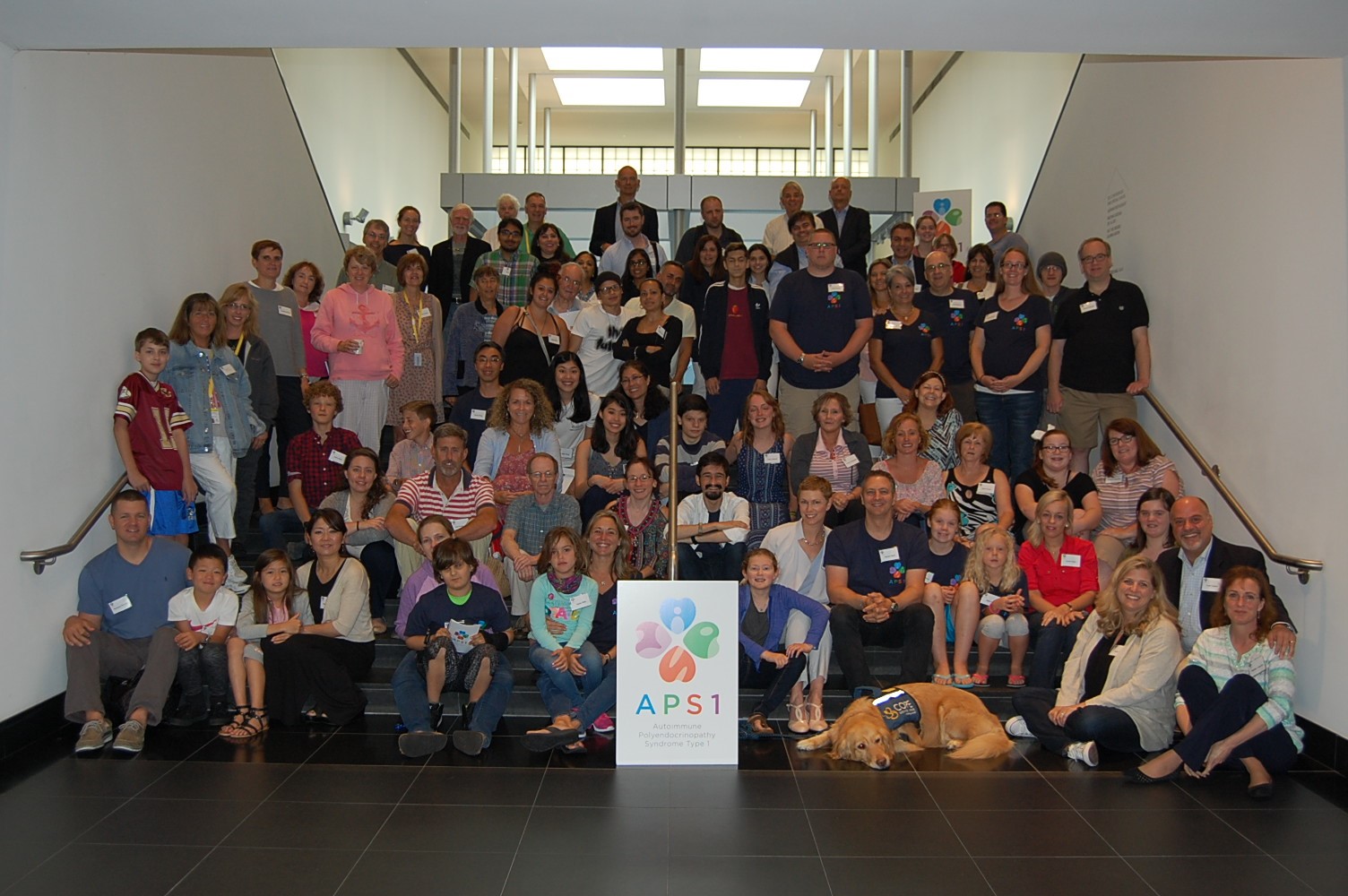
BostonSight PROSE Preserved Our Son’s Vision

Sometimes fate has a way of playing a part in our lives. Dave Seyfert was studying to be an English teacher when, during his last year of college, a bell choir came to his college to perform. The choir comprised of children with Down Syndrome and Dave was immediately taken with their performance. His interest in special education began that day. He completed a master’s degree in special education and was certified to teach children with visual impairments, and a few years later earned a second master’s degree at Boston College in orientation and mobility.  While earning this degree, Dave lived, worked, and took classes at Perkins School for the Blind in Boston. Today, Dave’s an orientation and mobility specialist who works with blind and low-vision children in schools and communities throughout Long Island. He teaches daily living skills including advanced travel training. Pre-pandemic he’d take children into New York City for trips to Kennedy Airport, the Bronx Zoo, and the Met Cloisters Museum.  Once training is complete, the children may have 200 hours of subway travel, for instance, under their belt. “I’ve taught children with visual impairments for almost 40 years,” says Dave. “I’ve worked closely with ophthalmologists and optometrists and taught many students throughout their public-school careers so they can live more independently.” For someone without vision issues himself, Dave knows more about the effects of vision loss on daily living than most people. In 2006, Dave’s son was diagnosed with autoimmune polyglandular syndrome type 1 (APS-1), a [...]
2022-10-12T14:33:58-04:00July 1, 2021|PROSE, Blog Posts|

How PROSE Restored a Patient’s Sight

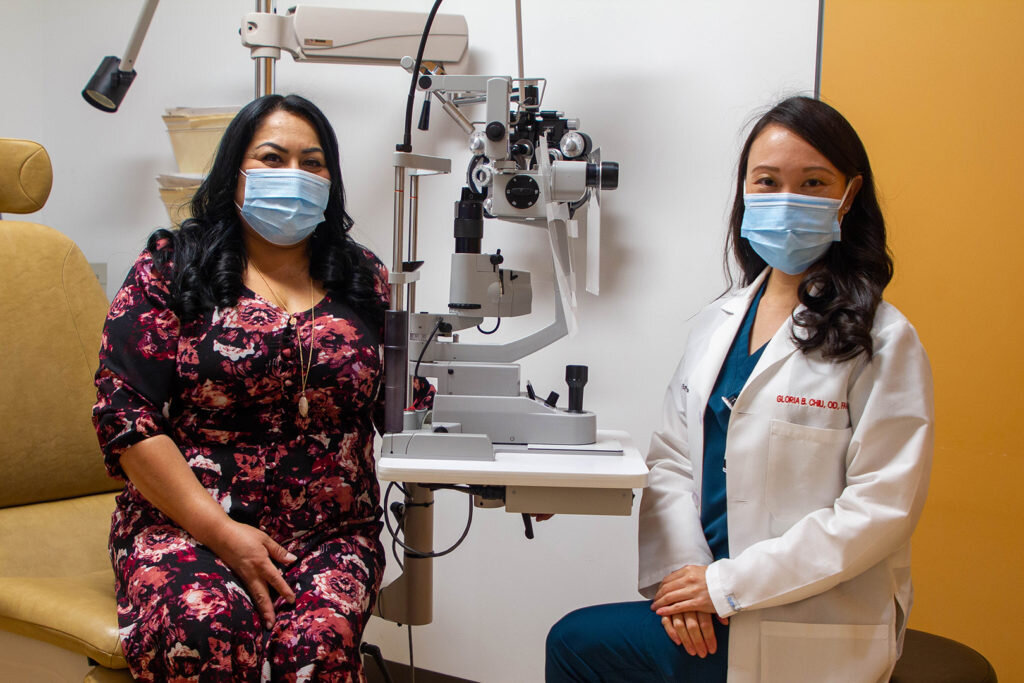
Courtesy of the University of Southern California. The original article appears in Medical Express  Three years ago, an outside clinic diagnosed Maria Contreras with keratoconus, a degenerative eye disease that causes thinning and bulging of the cornea. Though the clinic followed her for years, Maria saw no improvement in her vision and continued to suffer from poorly corrected irregular astigmatism, a lack of depth perception, and significantly decreased vision in both eyes. Her deteriorating vision was affecting her daily activities, especially at night. She was even told by her doctor that she might have to give up her driver's license. "Eventually, I knew their treatment wasn't working and I needed to do my own research," Maria said. "There had to be other options for me." A friend, who'd received treatment for a similar condition at the USC Roski Eye Institute, recommended that Maria schedule a consultation with Dr. Gloria Chiu. Dr. Chiu is an optometrist who focuses on prescribing specialty contact lenses for various eye conditions, including keratoconus. Although the prevalence of the eye disease ranges from about 1-4% globally, a high volume of patients who seek care and treatment from Dr. Chiu have this condition. With Maria's diagnosis established, Dr. Chiu learned that Maria had only been prescribed glasses to correct her vision. "This surprised me because for many keratoconus patients, glasses don't work adequately once the condition becomes more advanced and the eye shape has become distorted," said Dr. Chiu. "This is when specialty contact lenses or scleral [...]

2024-03-19T08:50:26-04:00June 24, 2021|PROSE, In the Media|

BostonSight Expands Professional Roles of Needham, MA, PROSE Treatment Providers

New Roles Reflect Contributions to BostonSight’s Mission Needham, Mass. –April 20, 2021 – BostonSight®, a nonprofit eye healthcare organization and research center dedicated to saving sight and improving quality of life for patients, announced today they have expanded the roles of their Needham, MA, PROSE™ Treatment providers. The new roles reflect the providers’ commitment to the organization’s mission to further education and research that will benefit eye care practitioners and improve patient care.  Each practitioner will continue to provide exceptional patient-centered care at the Needham, MA, clinic. Dr. Alan Kwok, OD, FAAO, FSLS has been named Director of PROSE Network Clinical Relationships. Dr. Kwok is responsible for organizing, developing, and supporting educational initiatives with PROSE Network Providers across the country, and promoting a better understanding of PROSE Treatment and the ocular surface.     Dr. Bita Asghari, OD, FAAO has been named Associate Director of Clinical Education. Dr. Asghari is passionate about furthering clinical education through publications, seminars, and webinars.  She recently published a patient case study in Contamac’s Global Insight, where she discussed correcting higher-order aberrations in a patient fit with scleral lenses. Dr. Asghari was also nominated as a 2021 Top Doc by the National Keratoconus Foundation.   Dr. Chirag Patel, OD, FAAO has been named Associate Director of Innovative Technologies.  Dr. Patel has a keen interest in product development and technology, including lens design. He is currently working on product initiatives and is helping to launch BostonSight’s Smart360™ empirical fitting technology early this summer.     About BostonSight® [...]

2024-04-03T12:01:26-04:00April 20, 2021|PROSE, Press Release|

Airline Cabin Air Negatively Impacts Dry Eye: Strategies for Coping

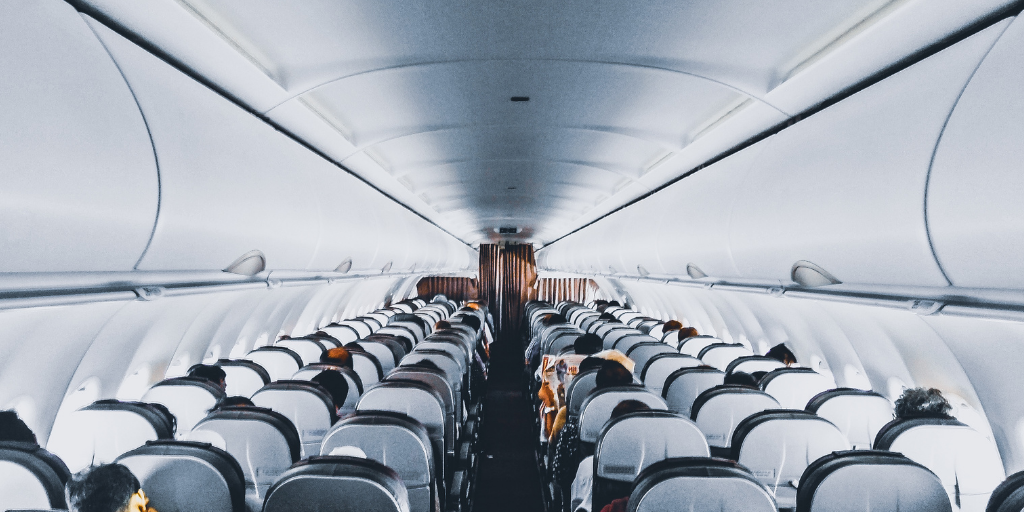
Many of us travel by plane for business or pleasure. With COVID vaccines ramping up, it’s expected we’ll see airline travel begin to increase soon. If you have dry eye or use BostonSight PROSE devices or scleral lenses, air travel can be challenging due to the recirculated dry cabin air. A little extra planning and preparation before catching a flight can help ensure a safe and comfortable vacation without interruption from eye health concerns. Impact on your dry eye symptoms If you have dry eye and have traveled by plane, you probably noticed an impact on your symptoms. A March 2013 study in the Investigative Ophthalmology and Visual Science journal took a close look at the impact of in-flight cabin air on dry eye disease. Researchers developed a controlled environment to simulate airline cabin conditions (23°C, 5% relative humidity, localized airflow, and 750 mb of barometric pressure) as well as a standard controlled environment for comparison (23°C, 45% relative humidity, and 930 mb). Study subjects with diagnosed dry eye disease spent time in these environments. Before and after the exposures, subjects answered dry eye symptom questionnaires and underwent diagnostic tests to determine the environmental impact on their eyes. After exposure to the airline cabin environment, dry eye patients were more symptomatic and experienced a decrease in tear stability and volume. Based on these findings, researchers advise dry eye patients to use therapeutic strategies to minimize the impact of air travel on their eyes. Simple strategies Some suggestions for more comfortable [...]

2024-04-03T14:17:59-04:00March 8, 2021|PROSE, Blog Posts|

PROSE Patient, Alyssa Carfi, is Inspired to Support Others Through the Brave Minds Project

Alyssa Carfi had a brainstem cavernoma, a condition where blood vessels are clustered together, and in her case, lodged deep in her brainstem. The condition caused bleeding in her brainstem three times: when she was 12, 15, and 18 years old.  On the third occurrence, her doctors knew they had to try to remove it before it caused further damage.  Just three days after graduating high school, Alyssa went in for surgery. Alyssa, standing, with Dr. Michelle Lee, and a PROSE patient who received financial support from Brave Minds. Based on their location, brainstem cavernomas can cause significant surgical challenges. Alyssa’s cavernoma bled near her 6th and 7th cranial nerves, which affected her right eye and smile. Following her surgery, Alyssa’s right eye rotated in toward her nose, and she had facial paralysis, affecting her eyelid and ability to open and close her right eye. She underwent strabismus surgery to center her eye, and had weights put into her upper lid to help with the closure, but she was still unable to blink, leaving her right eyelid permanently open, day and night. This left her eye exposed to debris, sun, and wind, causing irritation and dryness, and risk of ongoing damage and pain. For two years, Alyssa used eye drops and serums constantly. She would go through a large box of drops in days. She and her family saw more than 10 doctors at various hospitals and in various states, looking for a better way to live. She [...]

2024-04-04T13:53:44-04:00January 29, 2021|PROSE, Blog Posts|
Go to Top