• Needham PROSE Clinic
  • Find a PROSE Clinic
  • Donate
  • Contact Us
  • Patient Care
    • PROSE Treatment
    • Find a PROSE Clinic
    • Conditions We Treat
    • Patient Stories
    • Patient Resources
    • Pediatrics
  • Technology
    • Our Products
    • Software Platforms
    • Manufacturing
  • Education
    • Visiting Clinicians
    • FitAcademy International
    • FitAcademy for Residents
    • FitAcademy Immersive
    • Ophthalmology Resident Lectures
  • Research
    • Clinical Trials and R&D Services
    • Research Studies
    • Publications
  • About
    • Our Approach
    • News
    • Our People
    • Our Partners
  • Needham PROSE Clinic
  • Find a PROSE Clinic
  • Donate
  • Contact Us
  • Click to open the search input field Click to open the search input field Search
  • Menu Menu

Exploring the Impact of Dry Eye Syndrome on Vision Quality 

May 30, 2024/0 Comments/in Blog Posts, PROSE/by michele
*This article is a guideline only and is not to be construed as medical advice. Always contact your eye care doctor with questions and for treatment options.

Understanding Dry Eye Syndrome

Dry eye syndrome is a common condition that occurs when the eye does not produce enough tears or when the tears evaporate too quickly. This can lead to discomfort, irritation, and in severe cases, vision disturbances or even vision loss. Understanding the impact of dry eye syndrome on vision quality is important for maintaining long-term vision health.

The Effects of Dry Eye Syndrome on Vision Quality

When the ocular surface is not adequately lubricated, visual disturbances can occur. Dry eye syndrome can result in blurry vision, sensitivity to light, and difficulty focusing. These symptoms can significantly impact daily activities such as reading, driving, and using digital devices. If left untreated, dry eye syndrome can lead to corneal damage, potentially resulting in permanent vision impairment.

Managing Dry Eye Syndrome for Optimal Vision Quality 

Effective management of dry eye syndrome is crucial in maintaining optimal vision quality. Incorporating regular eye examinations and seeking professional guidance from an eye care doctor can help mitigate the impact of dry eye syndrome on vision quality. Management strategies may include the use of:
  • artificial tears
  • prescription medications
  • lifestyle modifications
  • specialty lenses, such as PROSE and scleral lenses

The Importance of Addressing Dry Eye Syndrome 

Ignoring the symptoms of dry eye syndrome can have detrimental effects on vision quality and overall eye health. By acknowledging and addressing the condition, you can take proactive steps to preserve your vision and prevent potential long-term complications associated with dry eye syndrome. While there is no cure for moderate to severe dry eye, PROSE treatment can put you on the path to healing your dry eye symptoms and dramatically improve your quality of life. PROSE treatment uses specially designed prosthetic scleral lenses that vault over the corneal surface, creating a reservoir between the cornea and the lens. The reservoir is filled with preservative-free saline to bathe and hydrate the eye all day, providing immediate relief and comfort, and promoting healing. PROSE prosthetic lenses can also provide improved vision. Think of the lens as a “new” cornea, which creates the shape of a typical, healthy cornea. This allows light to enter the eye at the correct angle for excellent vision.      
/wp-content/uploads/2026/05/bostonsight-logo.svg 0 0 michele /wp-content/uploads/2026/05/bostonsight-logo.svg michele2024-05-30 12:43:262024-05-30 12:43:26Exploring the Impact of Dry Eye Syndrome on Vision Quality 

The Devastating Impact of Stevens-Johnson Syndrome on Vision: An Overview

May 22, 2024/0 Comments/in Blog Posts, PROSE/by michele
*This article is a guideline only and is not to be construed as medical advice. Always contact your eye care doctor with questions and for treatment options. Stevens-Johnson Syndrome (SJS) is a rare but severe condition that can have devastating consequences on various aspects of health, with vision being particularly vulnerable. Understanding the intricate relationship between Stevens-Johnson Syndrome and vision is crucial for both awareness and proactive management. In this overview, we look at the profound impact of SJS on vision and explore potential long-term consequences.

Vision Threats Posed by Stevens-Johnson Syndrome 

  1. Corneal Damage: One of the most significant threats to vision in individuals with SJS is the potential for corneal damage. The delicate corneal tissue may be affected during the acute and chronic phase of the condition, leading to pain, inflammation, and vision impairment.
  2. Conjunctivitis and Ocular Surface Disease: SJS often manifests as severe conjunctivitis, with inflammation of the mucous membranes in the eyes. Prolonged inflammation can contribute to ocular surface disease, impacting the stability of the tear film and exacerbating dry eyes.
  3. Symblepharon Formation: In some cases, the adhesion of the conjunctiva to the cornea, known as symblepharon formation, can occur. This complication will frequently result in worsened symptoms, put you at risk of further damage to the ocular surface, and may be a sign of progressive disease.

The Role of Medications in Vision Complications

  1. Medication-Induced Eye Damage: Medications implicated in triggering SJS can directly impact the eyes, leading to a range of complications. The inflammatory response triggered by the immune system can affect various eye structures, including the cornea, conjunctiva, and sclera.
  2. Potential for Permanent Vision Loss: Severe cases of SJS can result in permanent vision loss, emphasizing the critical importance of early detection and intervention. Prompt identification and withdrawal of the triggering medications are essential to minimize long-term consequences.

Ongoing Vision Care for SJS Survivors 

  1. Specialized Eye Care: Survivors of SJS require specialized eye care to address ongoing vision challenges. Regular eye examinations by an ophthalmologist experienced in managing SJS-related complications are crucial.
  2. Management of Dry Eyes: Dry eyes, a common aftermath of SJS, can be managed through lubricating eye drops, ointments, and other interventions to alleviate discomfort and maintain corneal health.
  3. Visual Rehabilitation: Vision rehabilitation may be necessary for individuals who experience significant vision loss due to SJS. This may include low vision aids, adaptive technologies, and counseling to help individuals adapt to their altered visual status.
  4. PROSE Treatment: PROSE treatment uses specially designed prosthetic scleral lenses that vault over the corneal surface, creating a reservoir between the cornea and the lens. The reservoir is filled with preservative-free saline to bathe and hydrate the eye all day, providing immediate relief and comfort, and promoting healing. PROSE prosthetic lenses can also provide improved vision. Think of the lens as a “new” cornea, which creates the shape of a typical, healthy cornea. This allows light to enter the eye at the correct angle for improved vision.

Proactive Measures and Support 

  1. Avoiding Triggering Agents: Proactive measures involve avoiding known triggering agents, especially medications associated with SJS. Healthcare professionals must be informed about an individual’s medical history to prevent inadvertent exposure.
  2. Patient Education: Educating individuals about the potential impact of SJS on vision is crucial for fostering proactive engagement in their eye health. Awareness can empower patients to seek prompt medical attention if they experience symptoms indicative of SJS.
Stevens-Johnson Syndrome’s impact on vision is profound and underscores the importance of early detection, prompt intervention, and ongoing specialized care. By understanding the potential threats posed by SJS and implementing proactive measures, individuals and healthcare professionals can work together to mitigate the devastating impact on vision and enhance the quality of life for those affected by this rare but severe condition.
/wp-content/uploads/2026/05/bostonsight-logo.svg 0 0 michele /wp-content/uploads/2026/05/bostonsight-logo.svg michele2024-05-22 13:25:452024-05-22 13:25:45The Devastating Impact of Stevens-Johnson Syndrome on Vision: An Overview

Transforming Vision Challenges into Clarity: A Patient’s Journey with PROSE Treatment

May 17, 2024/0 Comments/in Blog Posts, Patient Stories/by michele
Meet Joan. Her story and video are published with permission.
  Joan, a graphic designer, spent countless hours in front of a computer screen, a necessity for her profession but a strain on her eyes. After undergoing Zyoptic LASIK surgery in her twenties to correct astigmatism, she enjoyed clear vision until the effects gradually wore off due to natural aging. About a decade ago, she underwent a superficial keratectomy, also known as corneal scraping, to remove diseased cells from the surface of her corneas, which was caused by corneal scarring. Although keratectomy did not improve her astigmatism it allowed her to see more clearly, as if she had removed a pair of dirty glasses.

Finding scleral lenses

As her eyesight continued to deteriorate, she desired a Zyoptic LASIK touch-up but learned she was no longer a suitable candidate. While in search of alternatives to glasses, she found herself also grappling with severe dry eye, which has worsened in recent years. “I would wake up at night in pain, with my eyelid stuck to my eye, making standard contact lenses an impossibility,” Joan says. Her journey took a hopeful turn when Dr. Beth Kohn, an optometrist in Salem, New Hampshire, recommended scleral lenses. She felt Joan would see better and be more comfortable with them, thus she referred her to PROSE (Prosthetic Replacement of the Ocular Surface Ecosystem). PROSE treatment uses prosthetic scleral lens devices customized to the individual’s eye to promote visual acuity, address dry eye, and improve comfort. It is a treatment used to manage the most complex corneal surface conditions and maintain a healthy eye environment. Initially, the prospect of adopting a new type of lens was daunting, especially with her history of dry eyes and contact lens discomfort. However, the transition to PROSE marked a significant improvement in both her vision and eye health. The lenses not only alleviated the dryness but also enhanced her vision to a clarity she hadn’t experienced in years. She likened the sharpness to the leap from standard to high-definition television.

Results from PROSE treatment

“They provided a level of moisture and comfort that was immediately noticeable,” Joan says. “And I can see the wrinkles on everyone’s face now.” Despite initial challenges with applying the devices, the support from the team at BostonSight made the learning curve manageable. “We had a couple of days of training. Their thorough approach ensured I was well-prepared to handle and care for my lenses, making daily use increasingly effortless,” she says. Today, Joan enjoys a range of activities with renewed confidence—from driving at night to engaging in ballroom dancing. The freedom and quality of life restored by PROSE have been nothing short of life-altering. “PROSE was my only option to have twenty-twenty eyesight and not wear glasses. Now my vision is perfect.”

DONATE TODAY

https://www.bostonsight.org/wp-content/uploads/2026/06/Head_Shot3x3JOAN-e1715975022263.jpg 308 400 michele /wp-content/uploads/2026/05/bostonsight-logo.svg michele2024-05-17 19:38:132026-06-18 11:11:49Transforming Vision Challenges into Clarity: A Patient’s Journey with PROSE Treatment

PROSE Treatment Delays Corneal Transplant and Gives a Musician the Vision to Succeed

May 8, 2024/0 Comments/in Blog Posts, Patient Stories/by michele
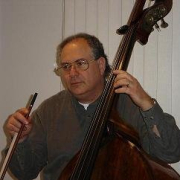
Bob Taffet began his journey toward PROSE® in 1972, as a young musician just beginning his professional career as a classical bass violinist. He had trouble reading music, so he made an appointment withBob Tafffet with his upright bass his ophthalmologist who diagnosed astigmatism. Bob received a prescription for eyeglasses. Unfortunately, the eyeglasses didn’t help at all. He went to Dr. Charles Pereira, an ophthalmologist at Columbia Presbyterian, who had worked with him as a child to correct his strabismus. Dr. Pereira immediately diagnosed Bob with keratoconus – a progressive condition where the cornea thins and bulges, often into a conical shape. He had keratoconus in both eyes, with the left eye more pronounced. He explained that keratoconus can remain mild but also could become progressively worse. “The distance at which orchestra bass players need to be able to read tiny print on music sheet requires near fighter pilot vision which I no longer had. The thought that I might have to give up my dream of becoming a performing musician was deeply depressing,” he says.

RGPs for Keratoconus Treatment

The treatment at that time was to wear rigid gas permeable (RGP) contact lenses, as these effectively “resurface” the cornea by presenting a symmetrical shape to the outside of the eye and have a prescription that corrects the astigmatism. Dr. Pereira sent Bob to a colleague who was skilled at measuring and dispensing RGP lenses for keratoconus patients. Bob was told if the condition progressed to the point that he could no longer tolerate the lenses, the next step would be a cornea transplant, a procedure that had been steadily improving since it was pioneered in the early 1960s and was achieving high success rates. And while the prospect of transplantation was unspeakably frightening, he says, he adopted an optimistic outlook and trusted that professionals could shepherd him through his keratoconus journey. “I will never forget the first time I put them [RGPs] in at home. I looked down and saw, for the first time in a long time, the weave in my trousers. And then, when I looked up, I saw individual leaves on the trees. It was an emotional moment. And for the next seven years I experienced nearly twenty-twenty vision in both eyes.”

Keratoconus Progression and a Corneal Transplant

Unfortunately, Bob’s condition progressed in his left eye until, in 1979, he required a cornea transplant. After the operation he was left with significant astigmatism in his left eye, but it was fully corrected with an RGP lens. He wore RGP lenses full time in both eyes and experienced excellent vision until 1990 when the keratoconus in his right eye progressed and he underwent a cornea transplant in that eye. Once again, with RGP lenses, his vision was restored to near 20/20. As the transplanted corneas started to age, his RGPs became less and less comfortable. Bob relied on eyeglasses, part-time, to give his corneas a rest from the RGPs. But with eyeglasses, he could only achieve 20/60 vision. In the mid-2010s, he developed cataracts and in 2017 he underwent cataract surgery. Unfortunately, after cataract surgery, his corneas had degraded to the point that he could no longer be fitted for RGP lenses and the best vision he could get from eyeglasses was 20/80, which left him significantly impaired. At this point, Bob says, he had two options: the first was to have another cornea transplant in each eye; the second was to try PROSE. PROSE devices rest on the sclera of the eye and create a chamber above the cornea that is filled with a preservative-free saline solution. These devices, like the RGP lenses, create a symmetrical corneal shape and have a prescription, too.

Finding PROSE Treatment

His ophthalmologist referred him to Dr. Corina Busuioc, a PROSE Provider at Northwell Clinic in Great Neck Long Island.  Bob’s first PROSE appointment was not unpleasant at all, he says. “I will never forget Dr. Busuioc inserting the first trial lens in my left eye to begin fitting me. The PROSE lenses were instantly effective. I looked up and was able to read the print on a computer screen on the other side of the room. Not only that, but it was so comfortable, that, unlike RGP lenses, I could not even feel anything in my eye at all. She tried a few more trial lenses and then ordered a custom pair from BostonSight. I remember that in one eye, she nailed it on the first try. The other lens needed a minor change which she reordered. And that was that.” In 2021, Dr. Busuioc relocated to North Carolina with her family, so now Bob makes an annual 5-hour drive to see Dr. Alan Kwok at BostonSight in Needham. “My experience with the PROSE lenses has been so positive that I actually look forward to these trips. PROSE has allowed me to prolong the life of my cornea transplants, seven years and counting. My ability to have perfect vision has been restored. I lead a normal, busy, and fulfilled life just as I have always had. Without PROSE I would be facing the uncertainty of further surgeries and potential complications.”

Living with PROSE

As Bob’s corneas continue to age, however, he has had to make minor adjustments. For the first three years he wore his PROSE devices 10 hours at a time.  However, as his cornea transplants thin with age, he has reduced his PROSE wear to a maximum of five hours at a time. With a two-hour break in between, he can then wear them for another five hours. “So, when I need my good vision, I have to plan my day accordingly.” Bob says, “I feel incredibly grateful to the thousands of doctors, surgeons, scientists and technicians who have worked so diligently over past decades developing technologies that have allowed me to lead a completely normal life.”


DONATE TODAY

https://www.bostonsight.org/wp-content/uploads/2026/06/Taffett_Bob.jpg 242 242 michele /wp-content/uploads/2026/05/bostonsight-logo.svg michele2024-05-08 13:16:342026-06-18 11:11:49PROSE Treatment Delays Corneal Transplant and Gives a Musician the Vision to Succeed

Understanding the Causes of Dry Eye Syndrome: A Simple Guide

May 5, 2024/0 Comments/in Blog Posts, PROSE/by michele
*This article is a guideline only and is not to be construed as medical advice. Always contact your eye care doctor with questions and for treatment options.

What is Dry Eye Syndrome?

Dry eye syndrome is a common condition that occurs when the eyes are unable to maintain a healthy layer of tears. This can lead to discomfort, irritation, blurry vision, and in some cases, potential damage to the eye surface. It’s important to understand potential causes of this condition to effectively manage and prevent it.

Environmental Factors 

Environmental factors such as dry climate, windy conditions, or exposure to smoke and dust can contribute to the development of dry eye syndrome. These elements can lead to increased evaporation of tears, leaving the eyes dry and uncomfortable.

Aging and Hormonal Changes 

As we age, our bodies undergo various changes, including hormonal fluctuations. These changes can affect the production of tears, leading to a higher risk of developing dry eye syndrome. Additionally, women are more prone to experiencing dry eye symptoms due to hormonal changes during pregnancy, menopause, or the use of oral contraceptives.

Digital Eye Strain 

With the increasing use of digital devices, many individuals experience symptoms of dry eye syndrome due to prolonged screen time. Staring at screens for extended periods can reduce the frequency of blinking, resulting in dry, uncomfortable eyes.

Medical Conditions and Medications 

Certain medical conditions such as ocular GVHD, Stevens Johnson Syndrome, diabetes,  rheumatoid arthritis, and thyroid disorders among others can contribute to the development of dry eye syndrome. Additionally, medications like antihistamines, decongestants, and antidepressants may produce dry eye symptoms as a side effect, further exacerbating the condition.

Eyelid Problems

Issues with the eyelids, such as incomplete closure resulting from a condition such as acoustic neuroma or inflammation can lead to inadequate spreading of tears across the eye’s surface. This can result in areas of the eye being left unprotected and vulnerable to dryness and irritation.

Contact Lens Wear

The prolonged use of contact lenses can contribute to the development of dry eye syndrome. Soft contact lenses sit directly on the cornea and can disrupt the natural tear film, leading to decreased lubrication and increased discomfort for the eyes.

Solutions for Dry Eye 

Understanding the causes of dry eye syndrome is crucial for individuals seeking to manage and prevent this uncomfortable condition. This condition can be frustrating, painful, depressing, and debilitating. By addressing environmental factors, considering age and hormonal changes, managing digital eye strain, monitoring medical conditions and medications, addressing eyelid problems, and being mindful of contact lens wear, you can take proactive steps to alleviate the symptoms of dry eye syndrome and maintain healthy, comfortable eyes. PROSE treatment can put you on the path to healing your dry eye symptoms and dramatically improve your quality of life. PROSE treatment uses specially designed prosthetic scleral lenses that vault over the corneal surface, creating a reservoir between the cornea and the lens. The reservoir is filled with preservative-free saline to bathe and hydrate the eye all day, providing immediate relief and comfort, and promoting healing. PROSE prosthetic lenses can also provide improved vision. Think of the lens as a “new” cornea, which creates the shape of a typical, healthy cornea. This allows light to enter the eye at the correct angle for improved vision.  
/wp-content/uploads/2026/05/bostonsight-logo.svg 0 0 michele /wp-content/uploads/2026/05/bostonsight-logo.svg michele2024-05-05 12:36:592024-05-05 12:36:59Understanding the Causes of Dry Eye Syndrome: A Simple Guide

Pages

  • About
  • Clinical Trials and R&D Services
  • Conditions We Treat
  • Contact Us
  • Dry Eye
  • Education
  • Find a PROSE Clinic
  • FitAcademy
  • FitAcademy for Residents
  • FitAcademy Immersive
  • FitAcademy International
  • GVHD
  • Home
  • Keratoconus
  • Manufacturing
  • Needham PROSE Clinic
  • News
  • Notice of Privacy Practices for Patients
  • Ophthalmology Resident Lectures
  • Our Approach
  • Our Partners
  • Our People
  • Our Products
  • Patient Care
  • Patient Information Booklet
  • Patient Resources
  • Patient Stories
  • Pediatrics
  • Post-Corneal Transplant
  • Post-LASIK
  • Practitioner IFU
  • Privacy Policy
  • PROSE Provider Payment Form
  • PROSE Treatment
  • Publications
  • Research
  • Research Studies
  • Sjögren’s Disease
  • Software Platforms
  • Stevens-Johnson Syndrome
  • Technology
  • Terms of Use
  • Visiting Clinicians
  • Ways to Support Us

Categories

  • Blog Posts
  • Clinic Updates
  • In the Media
  • Patient Stories
  • Press Release
  • PROSE
  • SCLERAL

Archive

  • May 2026
  • April 2026
  • February 2026
  • January 2026
  • December 2025
  • November 2025
  • October 2025
  • September 2025
  • July 2025
  • June 2025
  • May 2025
  • January 2025
  • November 2024
  • October 2024
  • September 2024
  • July 2024
  • June 2024
  • May 2024
  • April 2024
  • March 2024
  • February 2024
  • January 2024
  • December 2023
  • November 2023
  • October 2023
  • September 2023
  • July 2023
  • May 2023
  • March 2023
  • February 2023
  • December 2022
  • November 2022
  • October 2022
  • September 2022
  • July 2022
  • June 2022
  • May 2022
  • April 2022
  • February 2022
  • January 2022
  • December 2021
  • November 2021
  • October 2021
  • September 2021
  • August 2021
  • July 2021
  • June 2021
  • May 2021
  • April 2021
  • March 2021
  • February 2021
  • January 2021
  • December 2020
  • November 2020
  • October 2020
  • September 2020
  • July 2020
  • June 2020
  • March 2020
  • Patient Care
    • PROSE Treatment
    • Find a PROSE Clinic
    • Conditions We Treat
    • Patient Stories
    • Patient Resources
    • Pediatrics
  • Technology
    • Our Products
    • Software Platforms
    • Manufacturing Lab
  • Education
    • Visiting Clinicians
    • FitAcademy International
    • FitAcademy for Residents
    • FitAcademy Immersive
    • Ophthalmology Resident Lectures
  • Research
    • Clinical Trials and R&D Services
    • Research Studies
    • Publications
  • About
    • Our Approach
    • News
    • Our People
    • Partners
  • Needham PROSE Clinic
  • Donate
  • Contact Us

© 2026 BostonSight. All rights reserved.

Privacy PolicyTerms of Use

Scroll to top Scroll to top Scroll to top
This website uses cookies to improve your experience. We'll assume you're ok with this, but you can opt-out if you wish. Cookie settings ACCEPT
Privacy & Cookies Policy

Privacy Overview

This website uses cookies to improve your experience while you navigate through the website. Out of these cookies, the cookies that are categorized as necessary are stored on your browser as they are essential for the working of basic functionalities of the website. We also use third-party cookies that help us analyze and understand how you use this website. These cookies will be stored in your browser only with your consent. You also have the option to opt-out of these cookies. But opting out of some of these cookies may have an effect on your browsing experience.
Necessary
Always Enabled

Necessary cookies are absolutely essential for the website to function properly. This category only includes cookies that ensures basic functionalities and security features of the website. These cookies do not store any personal information.

Non Necessary

Any cookies that may not be particularly necessary for the website to function and is used specifically to collect user personal data via analytics, ads, other embedded contents are termed as non-necessary cookies. It is mandatory to procure user consent prior to running these cookies on your website.

Save & Accept